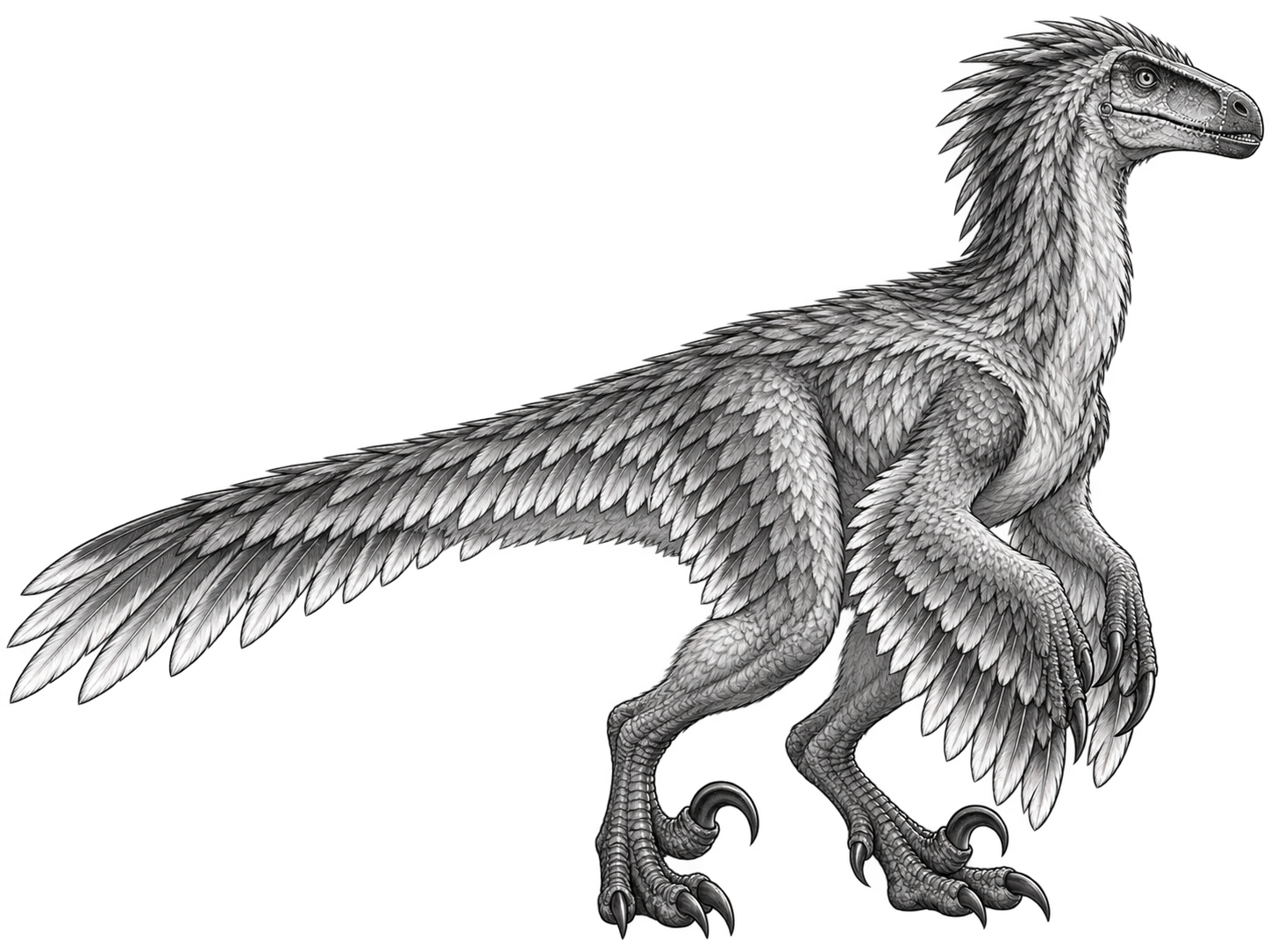
Mount
Open Mount: UtahraptorUtahraptor
Riding species.
 The Deep RangeCreature Index
Riding species.
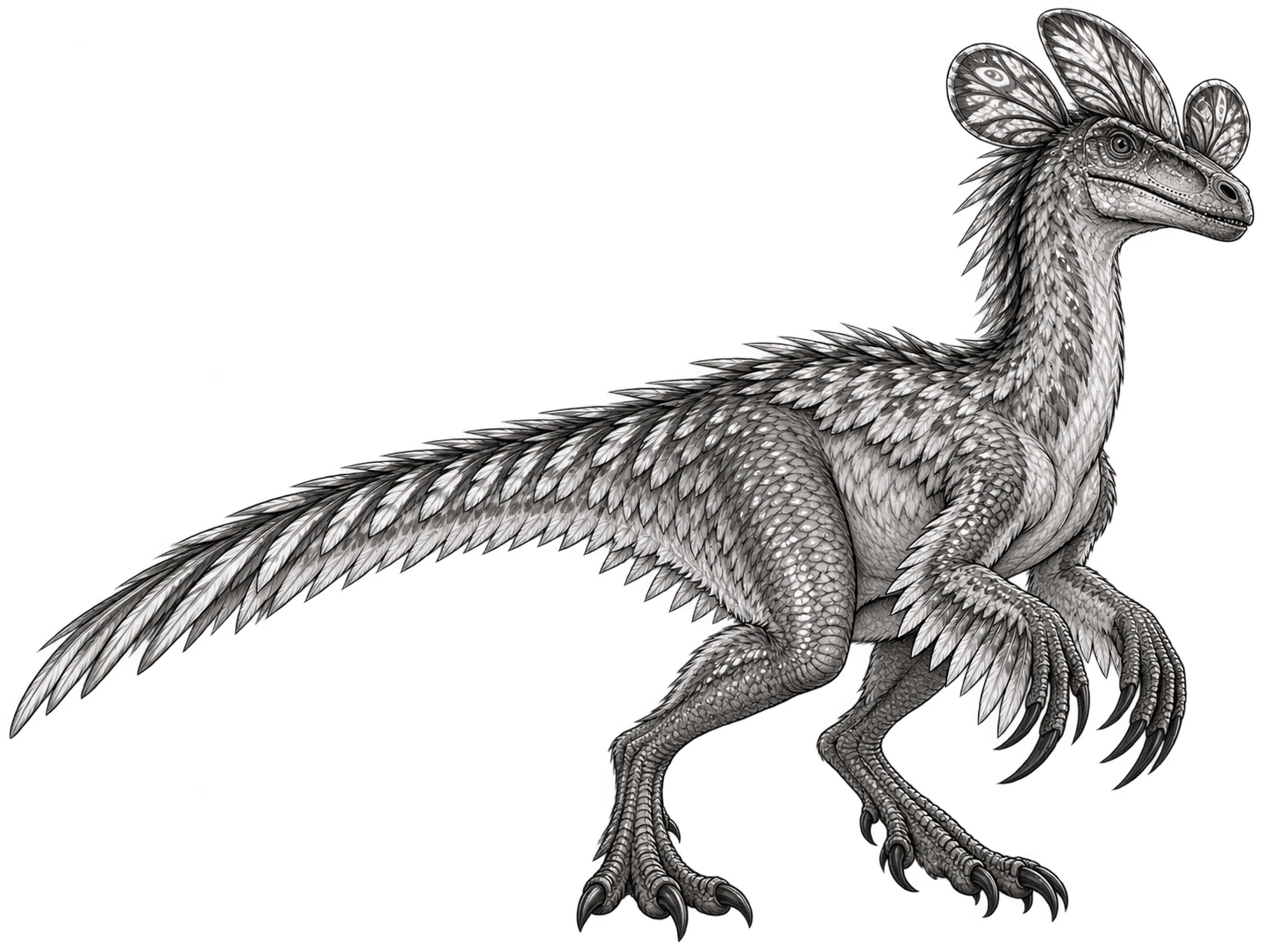
Riding species.
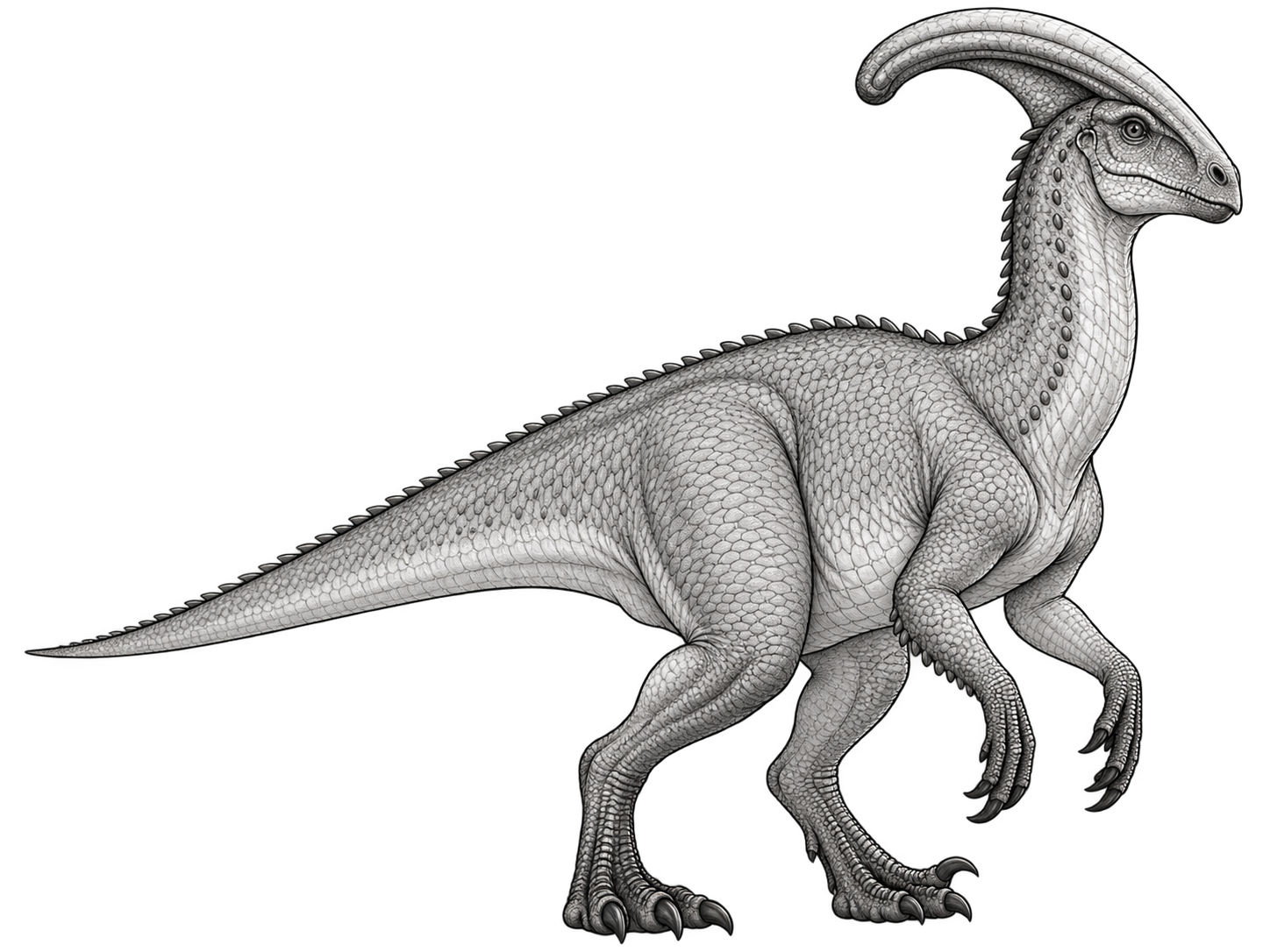
Riding species.
Riding species.
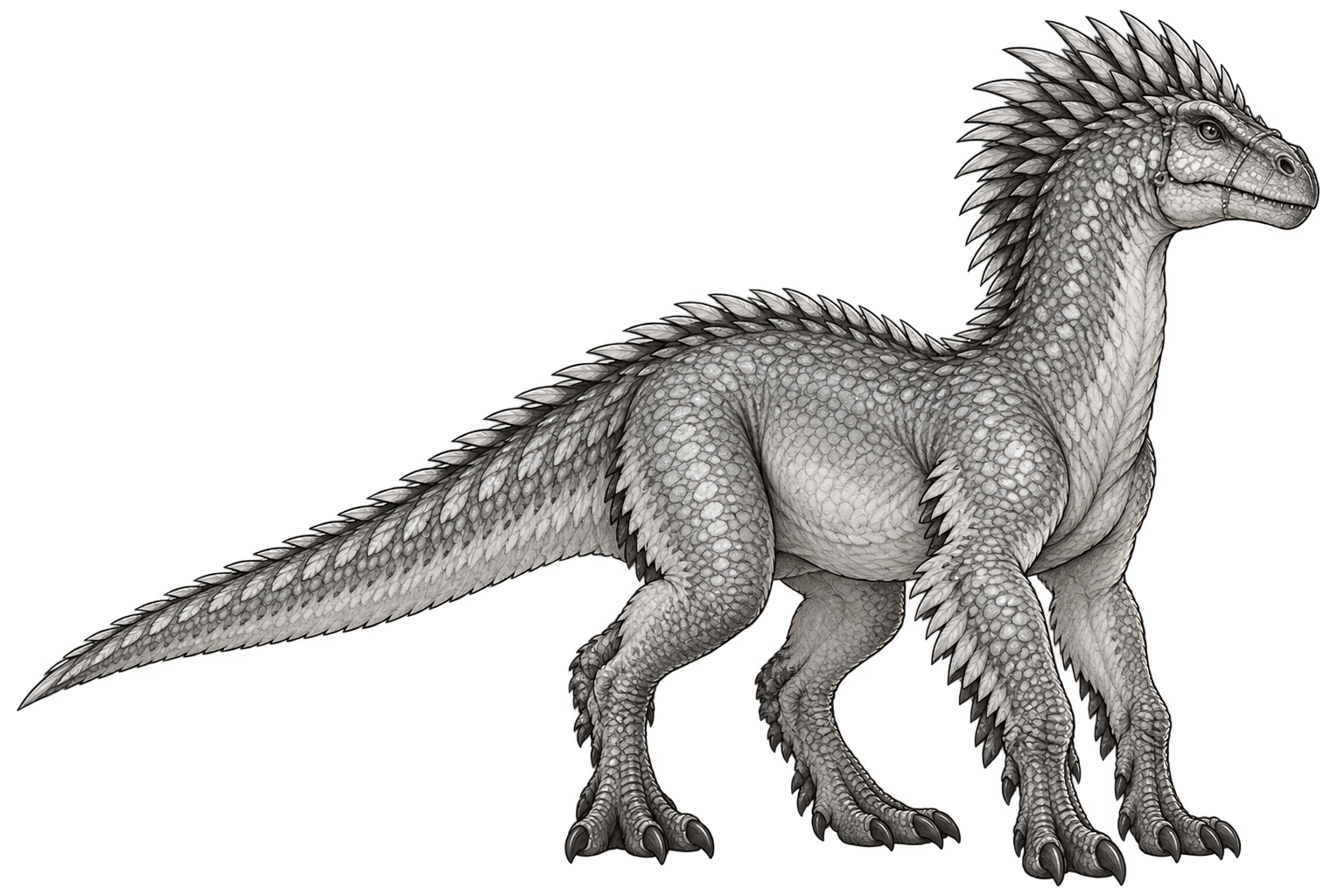
Riding species.
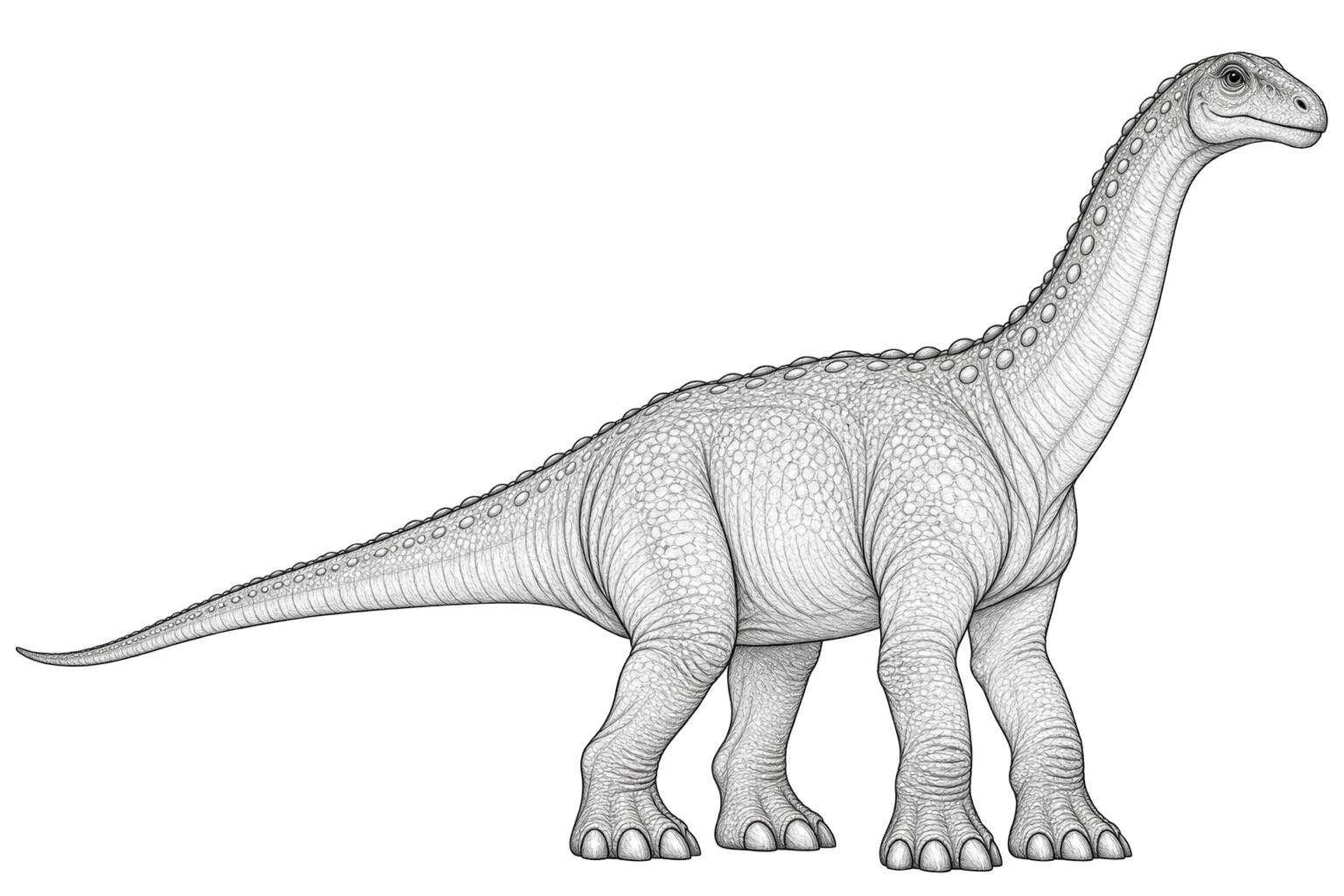
Comfortable regional riding mount.
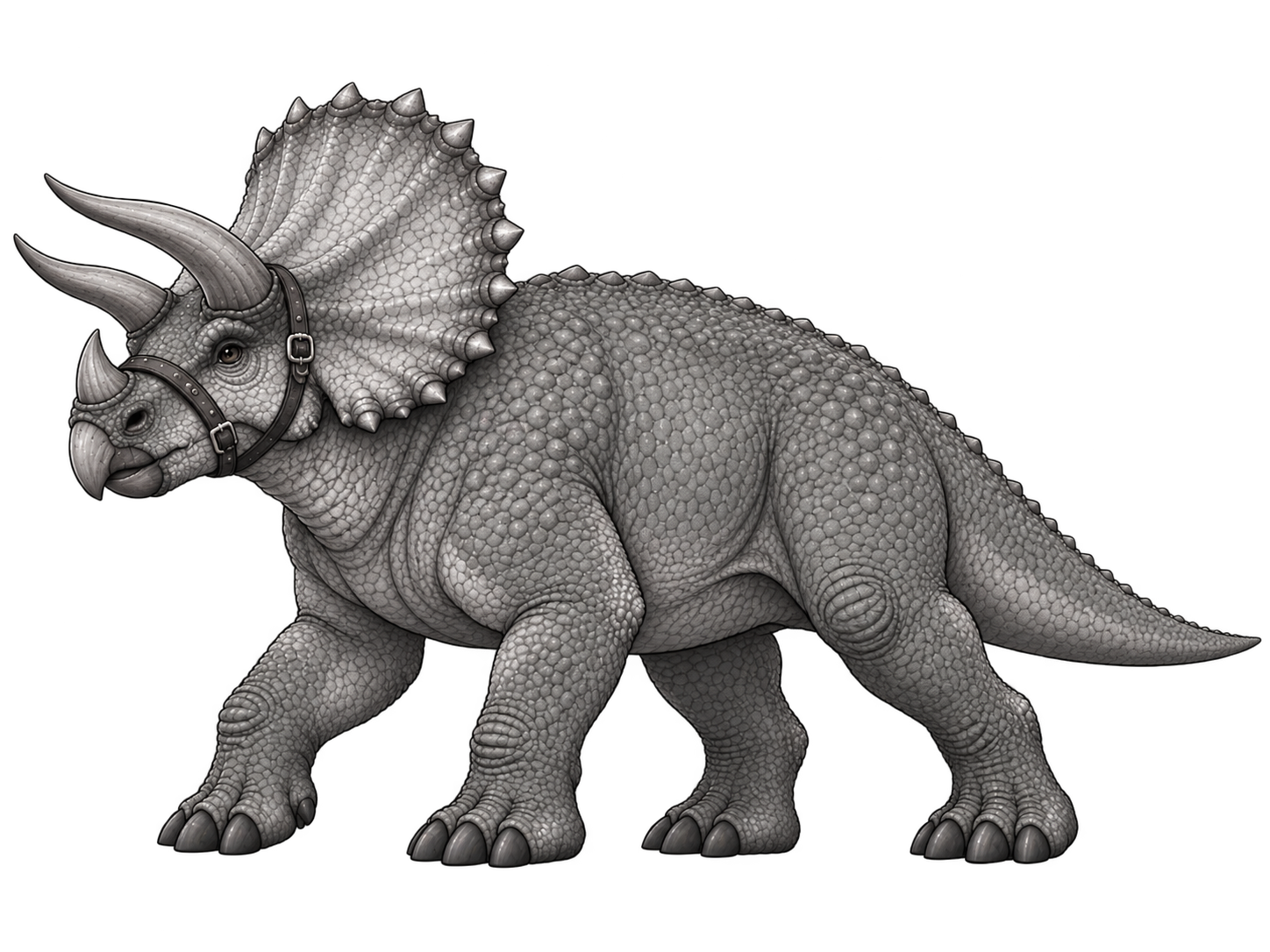
Heavy-haul animal.
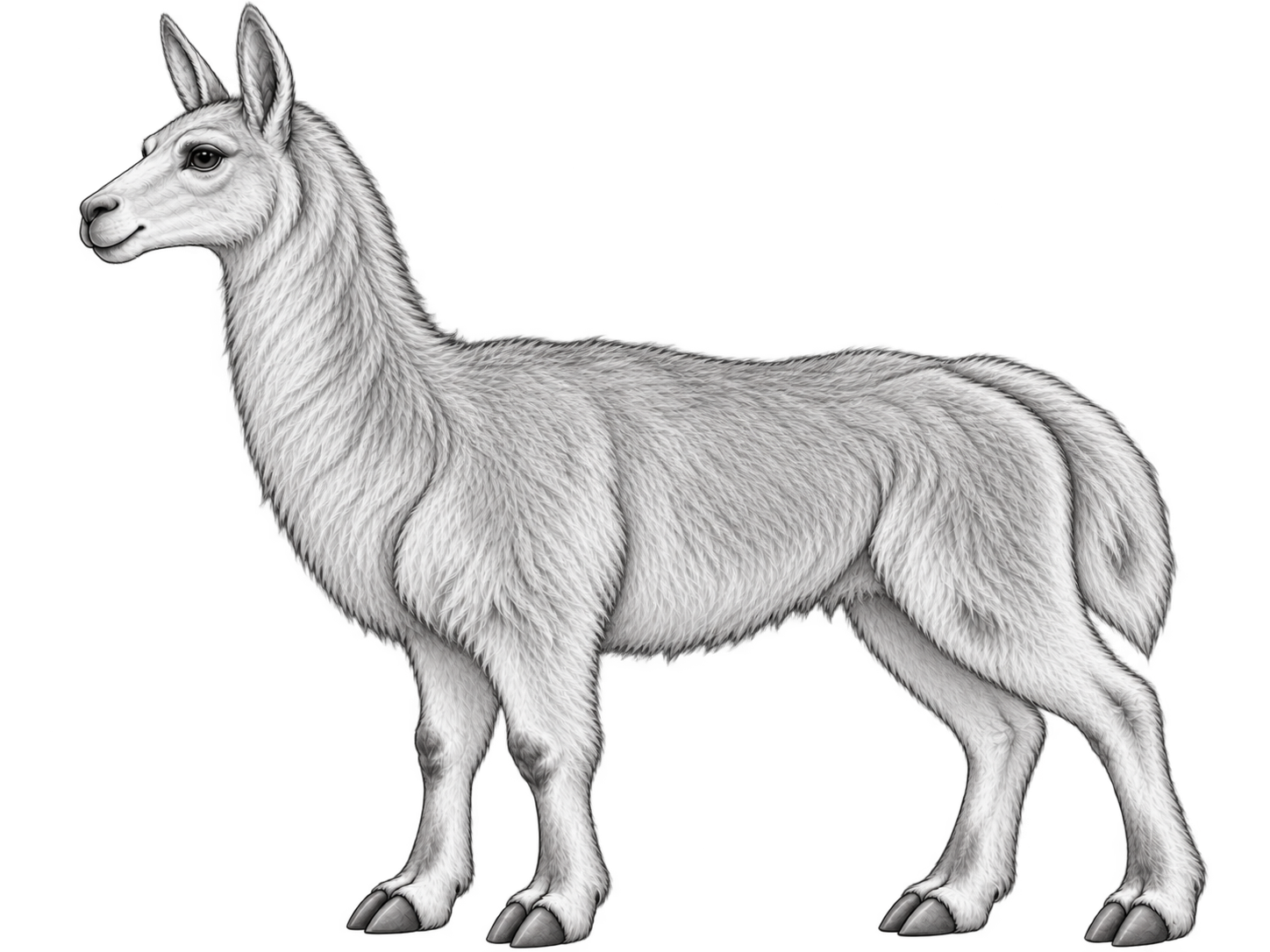
Herd animal.
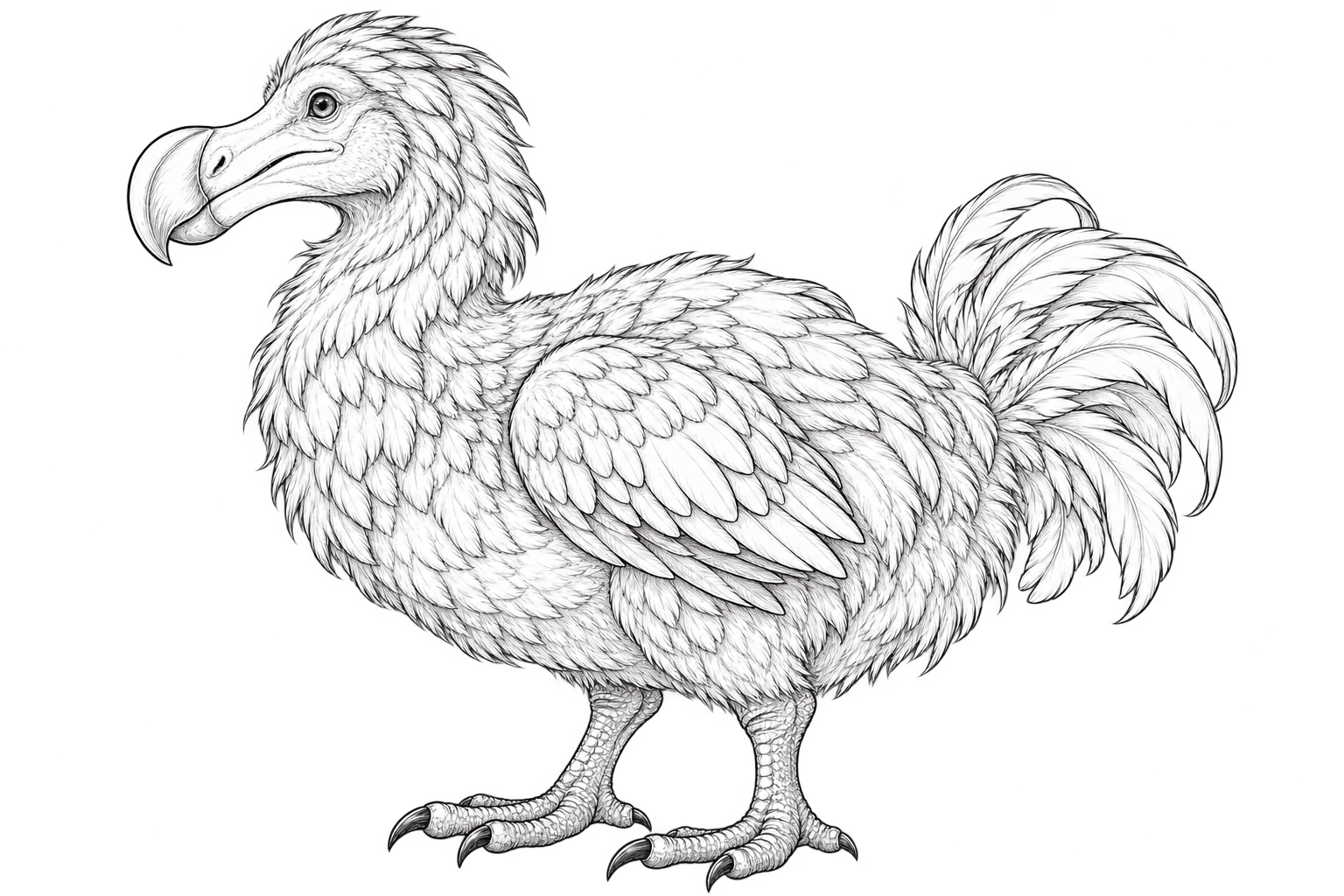
Husbandry bird.

Herd animal.
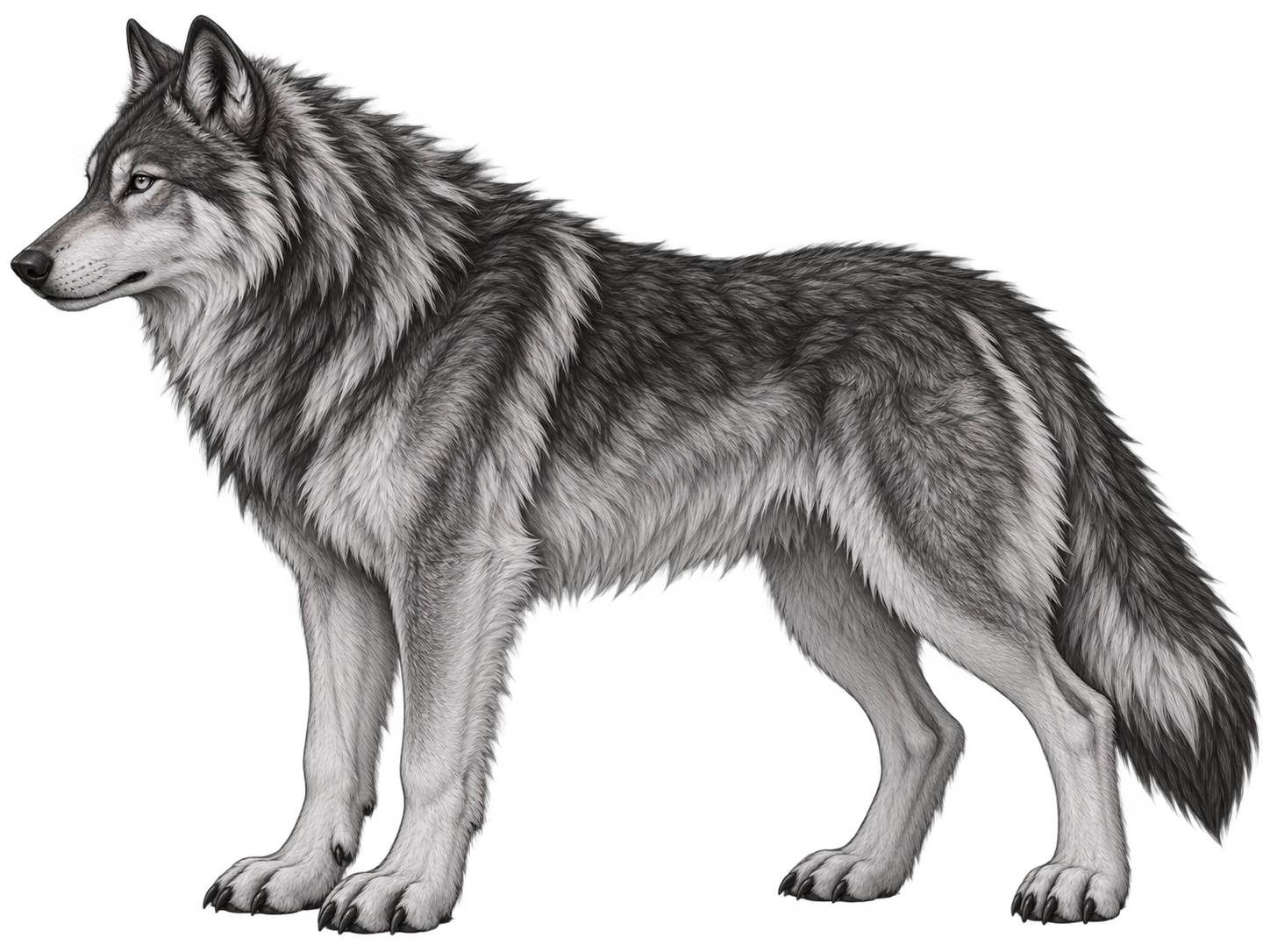
Trained working partner.

Trained working partner.
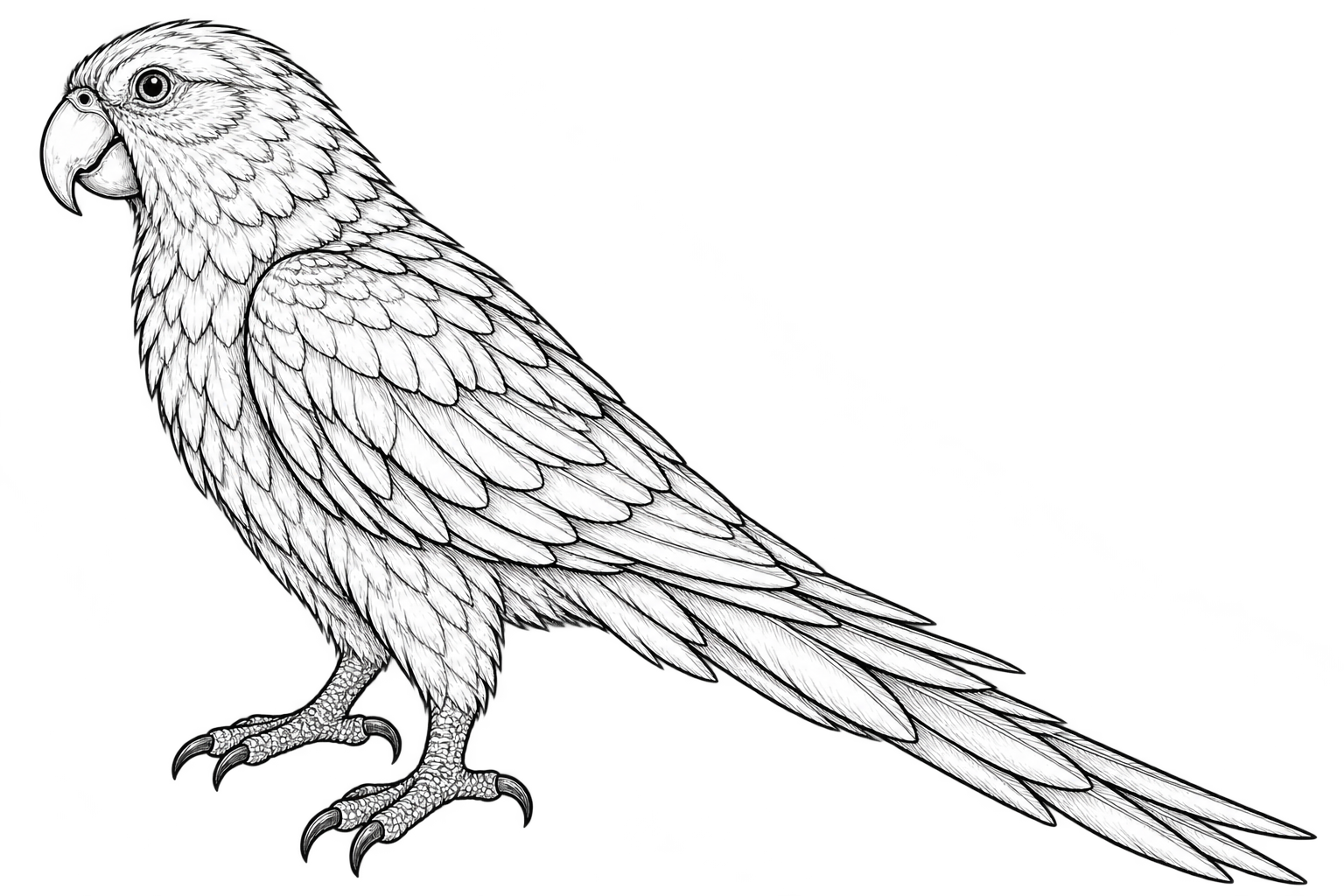
Trained working partner.
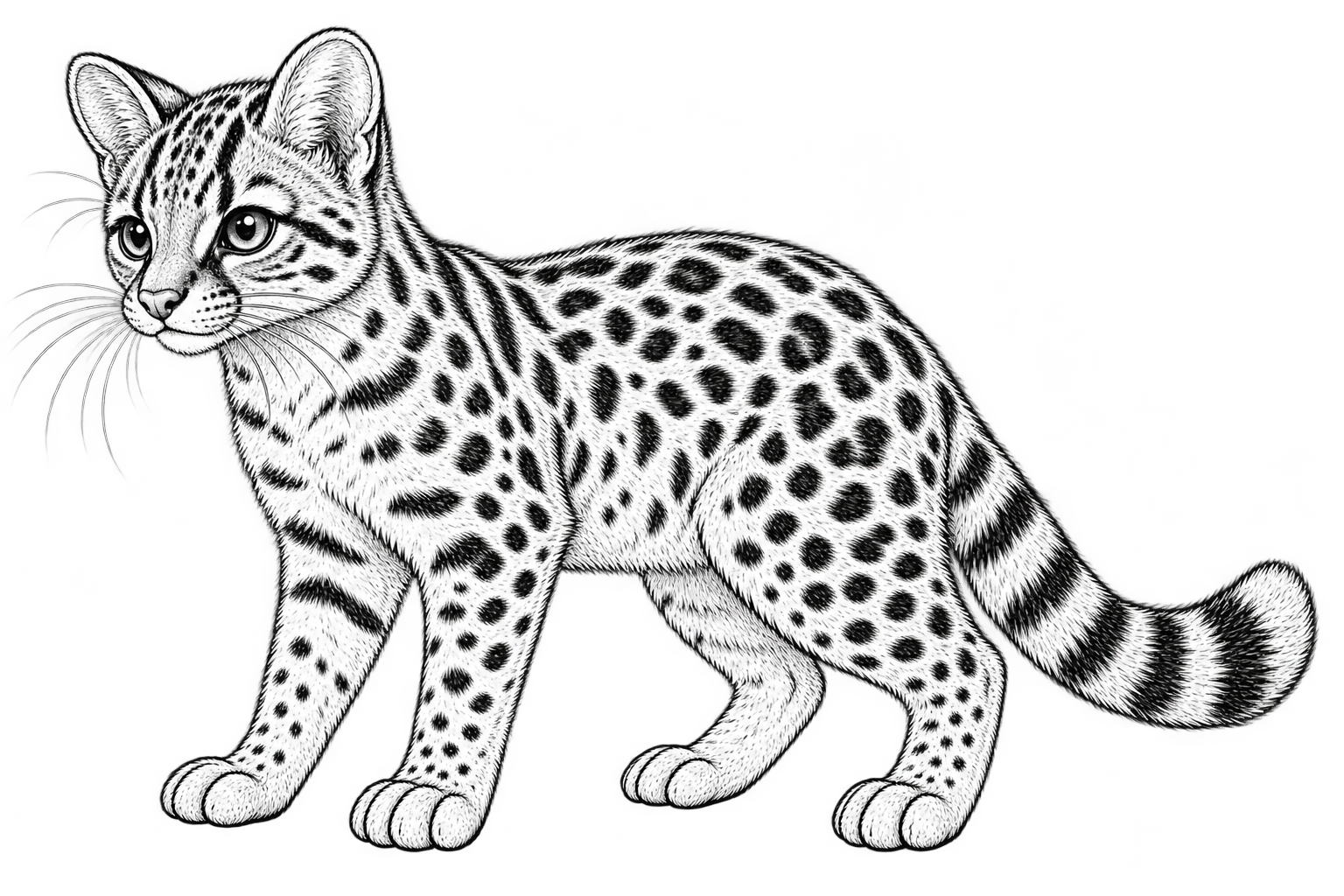
Specialized pest catcher.
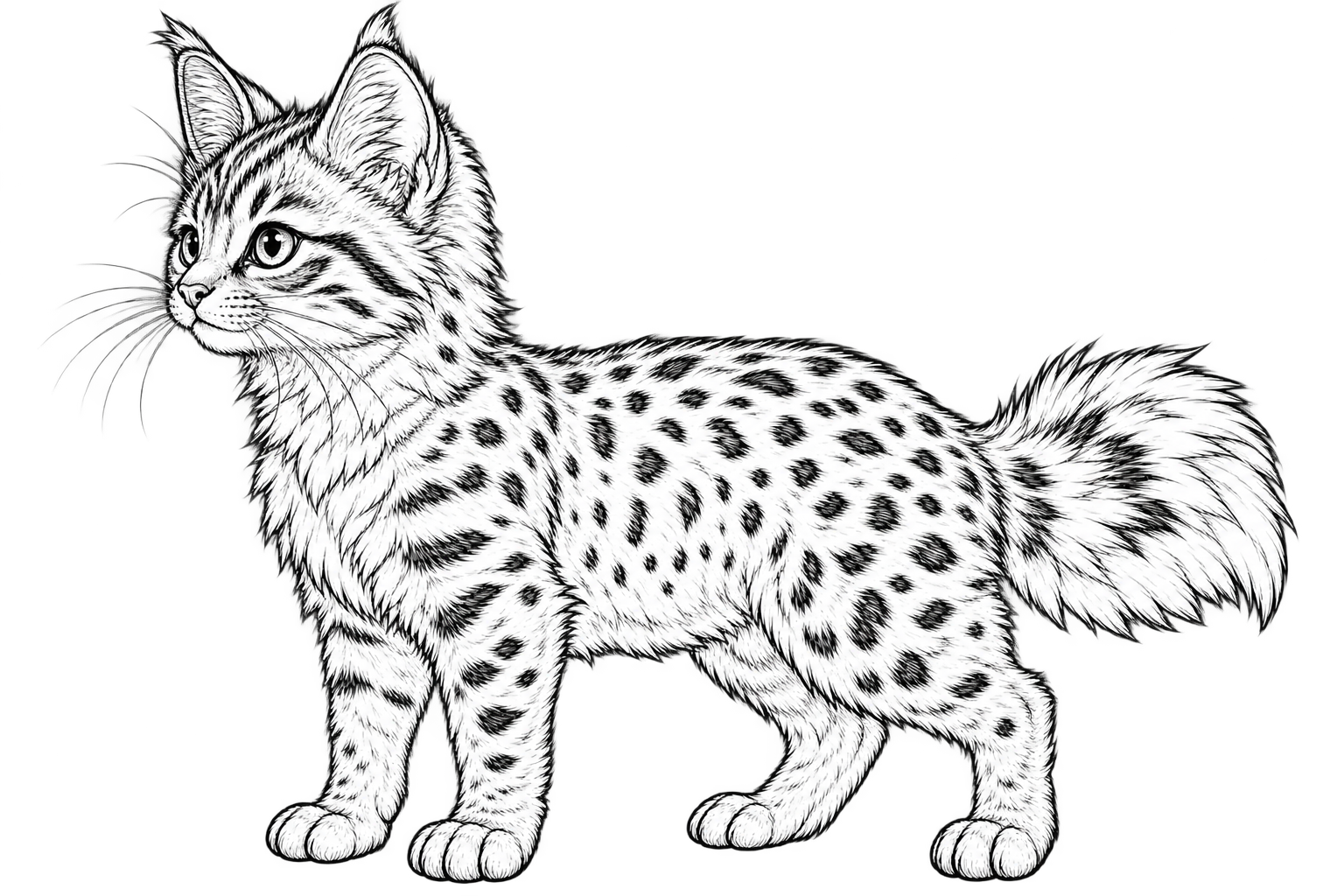
Hearthside companion.
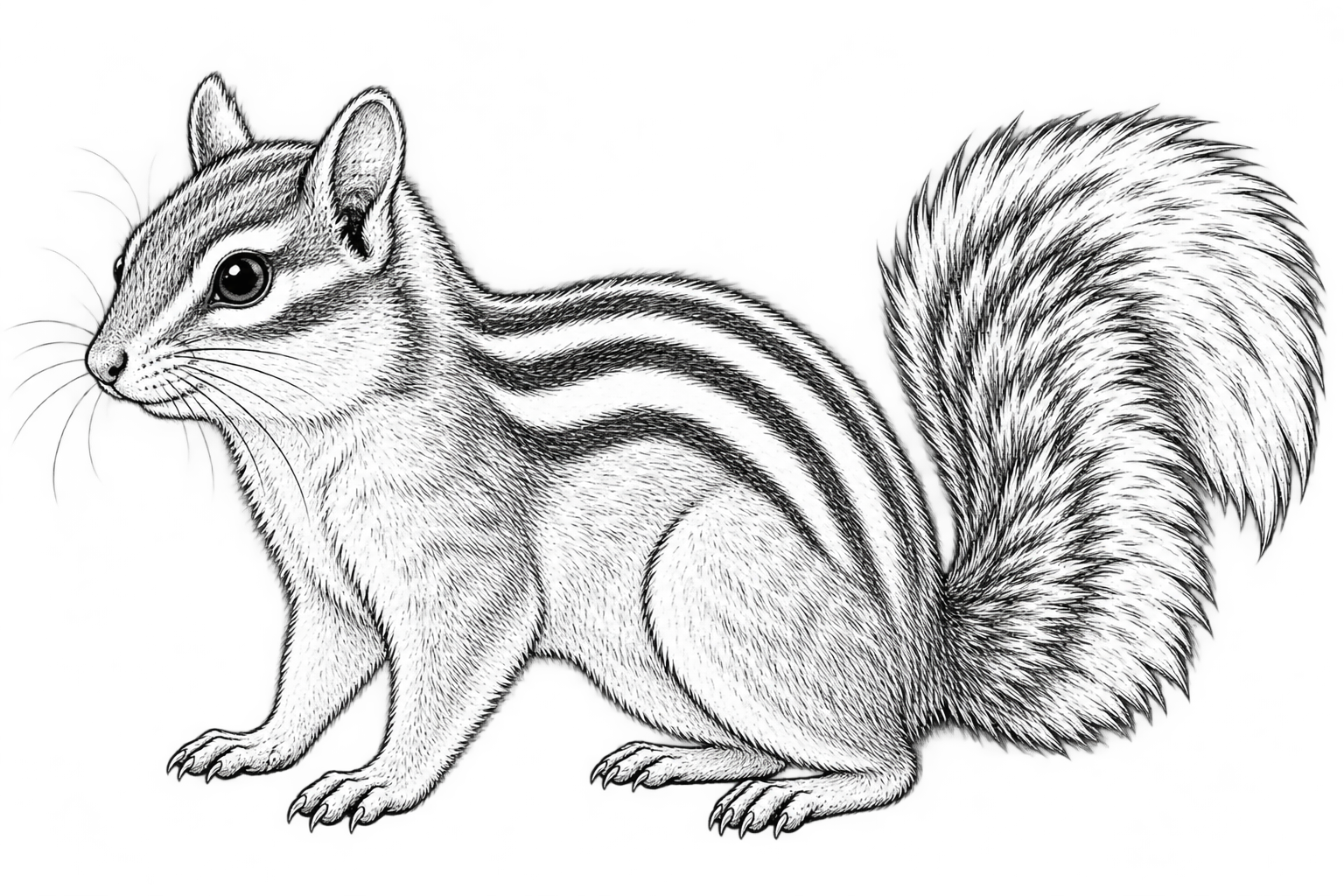
Uninvited local.
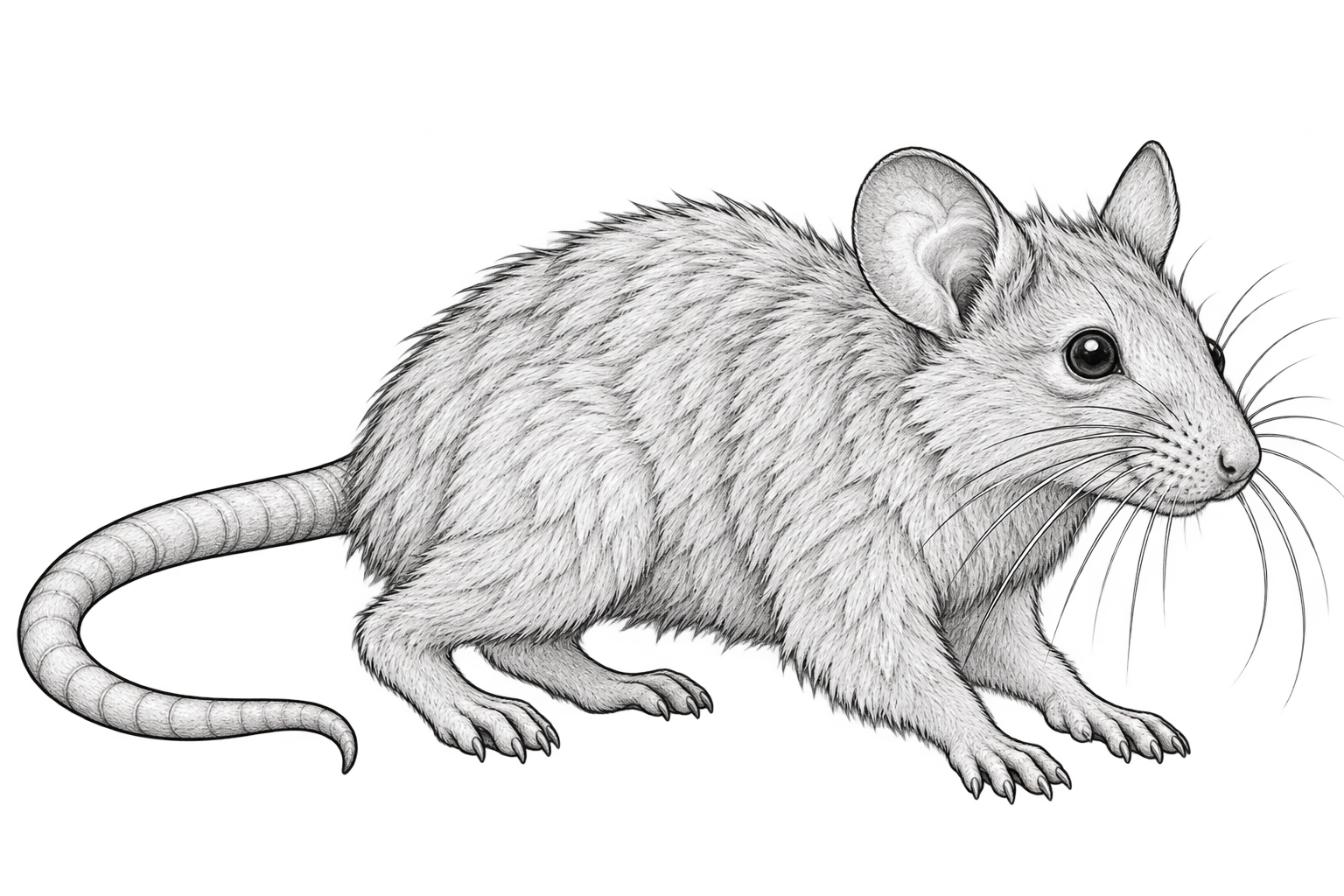
Uninvited local.
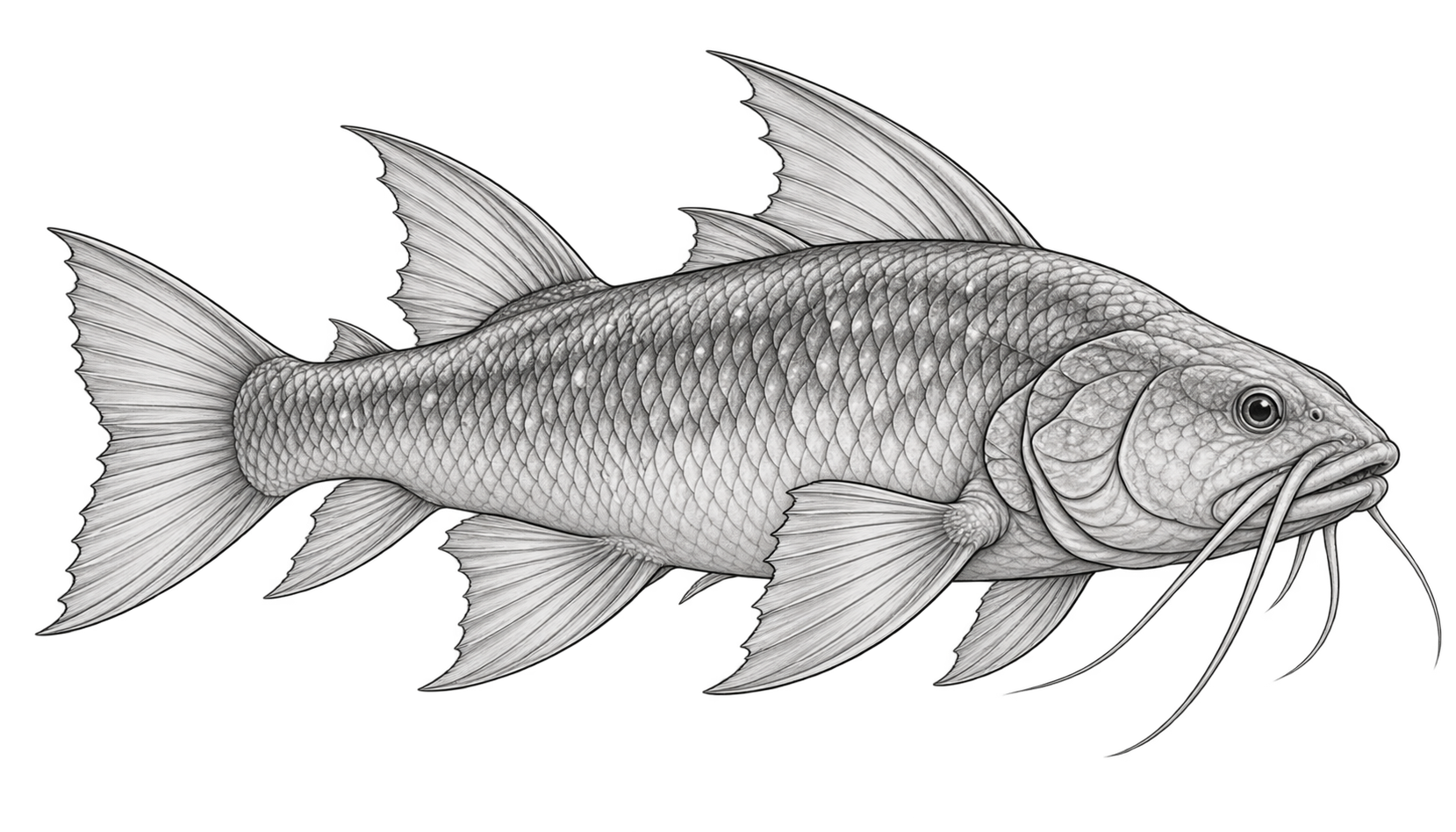
Subterranean aquatic life.
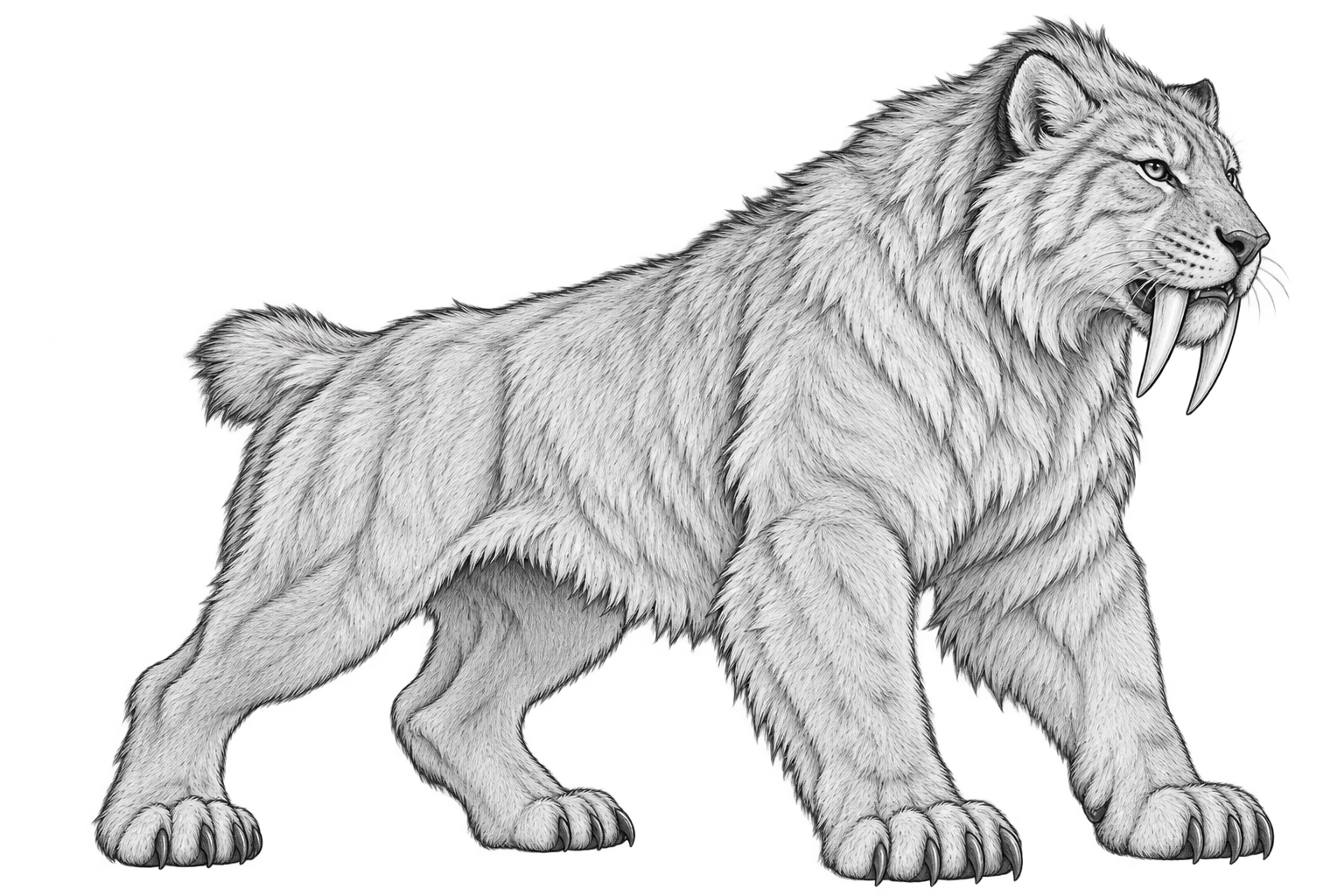
Wild predator.
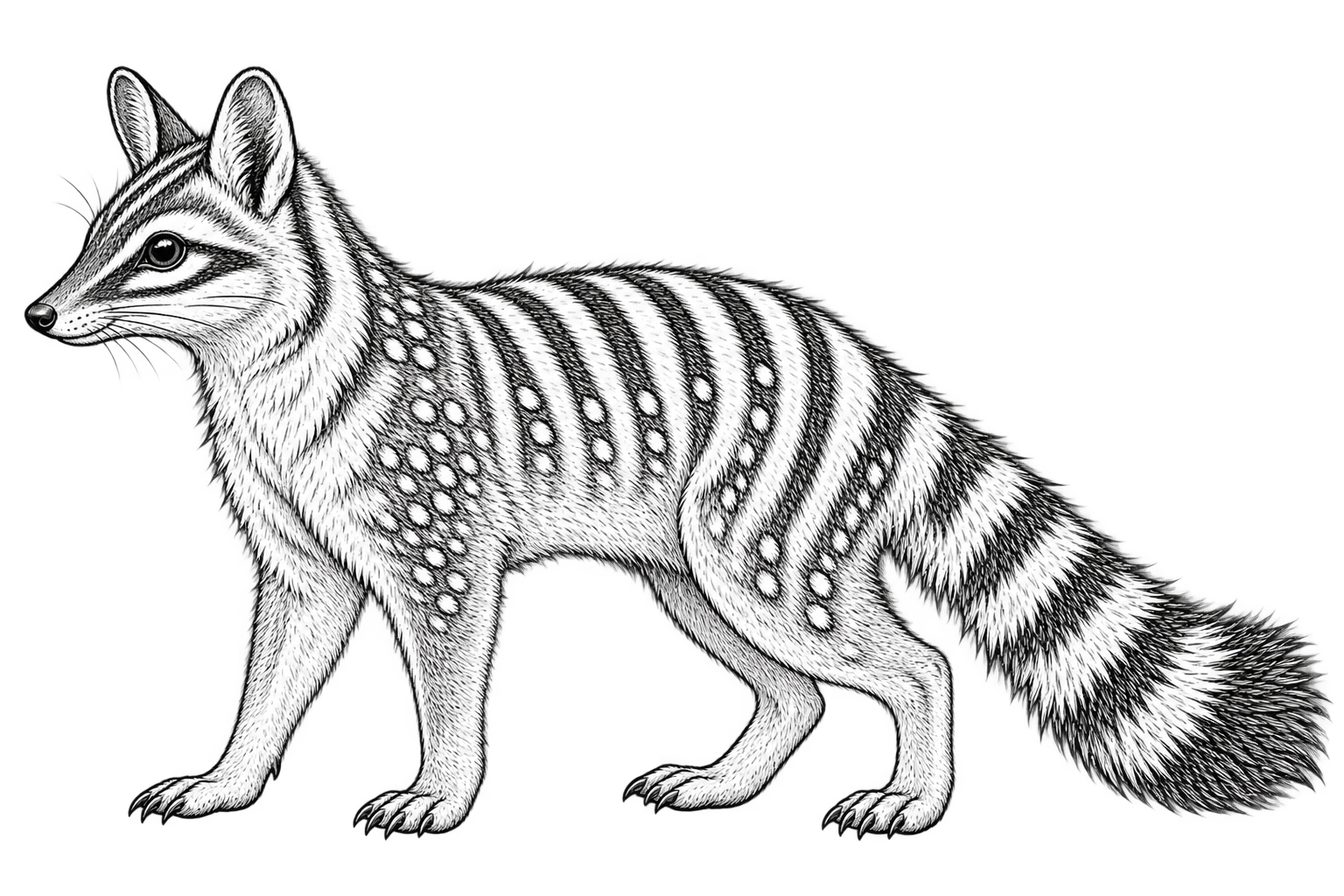
Wild species.


The Range's primary fast working mount, used for scouting, livestock cutting, rapid response, and difficult terrain.
Field note: A steady animal is evidence of the rider's skill. Partnership matters more than docility.
A speed-and-distance specialist favored for courier runs, patrols, scouting, and personal travel.
Field note: It notices trouble quickly. An inexperienced rider may learn that after the mount has already left.
Versatile domestic stock raised for range leather, breeding, meat, and carefully selected riding lines.
Field note: A prized riding animal is not interchangeable with production stock merely because the species serves both roles.
A domesticated spinosaurid used for river travel, fishing work, wetland routes, patrols, and light riding.
Field note: A disciplined Sailrunner can herd fish without shredding the nets, which is the difference between help and aquatic vandalism.
A patient, sure-footed caravan mount built for endurance, pack transport, and difficult regional routes.
Field note: Not fast. Dependable. It crossed the bad bridge, carried the supplies, and arrived.
A gentle household mount valued for smooth regional travel, family journeys, social visits, and unusually high rider comfort.
Field note: A Long Neck is chosen when the road is established, the journey is civilized, and arriving comfortably is part of the plan.

The Range's primary heavy draft animal, capable of moving wagons, sledges, industrial loads, and major construction freight.
Field note: Several tons of irritated ceratopsian parked across a tunnel also makes an excellent emergency barrier.

Practical everyday livestock valued for meat, pack work, milk, fiber, and efficient use of forage.
Field note: Smaller and easier to maintain than bison, which makes large herds practical.
A rare warm-climate bird kept mainly for eggs, cultural preservation, feathers, down, and settlement prestige.
Field note: Not open-range livestock. Their survival depends on stable, protected settlement resources.
Massive, gentle herd animals supporting the Range's milk, cream, cheese, meat, hide, and breeding economy.
Field note: A healthy dairy herd signals water, pasture, labor, veterinary skill, and long-term stability.

The primary herding and livestock-guarding animal, bred for focus, recall, steady nerves, and controlled prey drive.
Field note: A good wolf knows the difference between work animals, prey, and actual threats.
An intelligent settlement worker that patrols homes, greenhouses, warehouses, inns, and food stores for pests.
Field note: Useful enough to justify itself economically, charming enough to end up sleeping on the bed.
A rare, highly trainable route-finder used to carry lightweight messages between familiar roosts.
Field note: A beautiful bird distracted by every glowing fungus is still a poor messenger.
A working animal used to find and remove pests around settled spaces and stored goods.
Field note: The working role is canon. Additional anatomy, size, temperament, and glow notes can be added when its full profile is written.

A palm-sized settlement hunter kept around homes, stores, greenhouses, workshops, camps, and shelters.
Field note: It may protect the food store, ride in a coat pocket, and occupy an unattended hat in the same afternoon.

A clever, social forager that supports wild plant spread and treats settlement stores as a relocation project.
Field note: Ecologically useful. Logistically infuriating.
A miniature climber that thrives in warm, food-rich settlements and enters spaces larger animals cannot.
Field note: It steals snacks, chews things, and reproduces with offensive efficiency.

Underground rivers and lakes support fish, crustaceans, and other aquatic life central to riverside nutrition.
Field note: Not every river supports useful fishing. Water chemistry decides whether a channel is a pantry or merely wet.
A powerful ambush predator left alone while hunting wild prey, but managed aggressively after repeated livestock conflict.
Field note: Admired, feared, and granted much less philosophical consideration near the herd routes.
A gentle native mammal that regulates insects and is welcomed around farms and settlement edges.
Field note: Small, gentle, glowing, and eats bugs. An undefeated public-relations strategy.

Mineral-Web microbes support luminous fungi, plants, and invertebrates. Dietary exposure and biological incorporation carried that light into larger animals, while predators evolved more controlled forms.
Herbivores and herd animals tend to glow continuously. Their markings support herd recognition, parent-and-young tracking, mate signaling, warning displays, and individual identification.
Predatory species tend to control their glow. Dimming aids stalking, while flashes and pulses support pack communication, courtship, territorial display, and intimidation.
Young animals may be brighter or patterned differently, making them easier for parents and herd members to track through darkness and crowded grazing chambers.
Individual glow patterns can identify livestock and working animals at distance. Handlers learn familiar crest lines, flank constellations, tail rings, and facial marks.
Unusual brightening or dimming can accompany mineral bloom, chemical change, stress, predator activity, temperature shifts, disease, water changes, or broader disturbance.

| Creature | Measure | Recorded range | Group |
|---|---|---|---|
| Utahraptor | Length | 5–7 m | Mount |
| Cavern Crestback | Length / shoulder / weight | 4.8–6.5 m / 1.8–2.3 m / 900–1,400 kg | Mount |
| Lumen-Horn Bison | Length / shoulder / weight | 3.0–3.8 m / 2.0–2.4 m / 1,100–1,800 kg | Livestock |
| Malabar Large-Spotted Civet | Body / tail / weight | 60–80 cm / 45–60 cm / 5–9 kg | Working Animal |
| Paradise Parrot | Height / length / weight | 25–35 cm / 35–60 cm / 80–140 g | Working Animal |
| Kurteni Cat | Height / body / weight | 10–15 cm / 20–30 cm / 400–900 g | Companion |
| Stripeback Squirrel | Height / length / weight | 10–15 cm / 18–25 cm / 200–500 g | Pest |
| Bramble Cay Melomys | Height / length / weight | 6–10 cm / 12–20 cm / 15–60 g | Pest |
| Numbat | Body / tail / weight | 25–47 cm / 17–28 cm / 300–700 g | Wildlife |
Dilophosaurus, Parasaurolophus, Sailrunner, Triceratops, Guanaco, Dodo, Dire Wolf, Tilcayo, Cave Fish and Aquatics, and Smilodon do not currently have complete numerical measurements in their source profiles. Their visual scale should remain illustrative until canon values are added.